en
 EN
EN
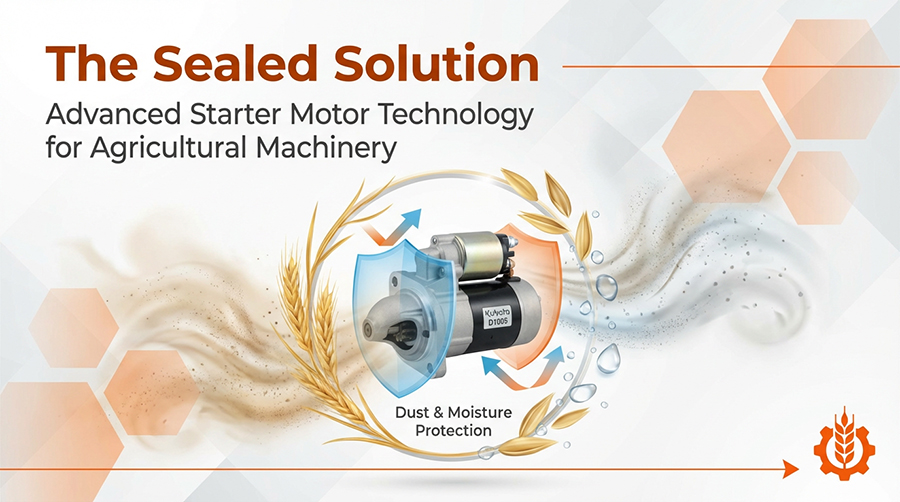 In the visual world of auto parts, looks can be deceiving. A polished aluminum casing and a bright label can easily hide a hollow interior. For purchasing managers and quality control teams, distinguishing between a "Premium Aftermarket" part and a "Cost-Down" imitation is becoming increasingly difficult.
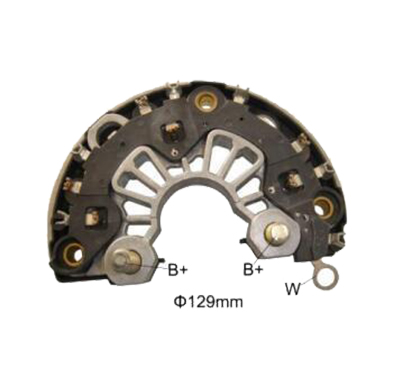
The most common point of failure? The Rectifier Bridge.
The Hyundai 120A Benchmark (HD1492007)
Let's analyze the rectifier for a high-output Hyundai application (OE 37300-2J060). This system demands 120 Amps of continuous current.
Our HD1492007 Rectifier is built to meet this challenge head-on. Here is how we define quality versus the "fake" alternatives:
1. Diode Size & Specification: We use genuine 50A+ press-fit diodes. Inferior units often use smaller diodes that overheat and short-circuit under load.
2. Heatsink Mass: Our aluminum heat sinks are cast with high-density alloy and maximized surface area. Compare the weight—a lighter rectifier usually means less thermal dissipation capability.
3. Weld Integrity: We utilize automated welding for diode connections to ensure vibration resistance, unlike the manual soldering often found in budget parts.
Protecting Your Brand
When an alternator fails, the car owner blames the mechanic, and the mechanic blames the parts supplier. Quality control is your firewall. By understanding the anatomy of key components like the HD1492007, you can make informed sourcing decisions that protect your downstream reputation.
Altruism, Efficiency, Embrace change

 Starter





























 Alternator





 Bearing
 Starter Parts
 Alternator Parts

 Electrical Accessories
 GAUGE
GAUGE









 OXYGEN SENSOR